 Mohale FM
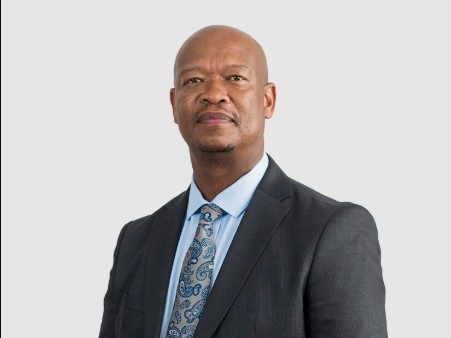
 DEPUTY Prime Minister, Nthomeng Majara, says her inaugural visit to the Female Correctional Services and the Juvenile Centre was prompted by a parliamentary report tabled last year that painted a harrowing picture of conditions in Lesotho’s prisons.
Ms Majara was referring to a re port by Ombudsman Tlotliso Polaki, which highlighted deeply troubling conditions across correctional facilities in the country. The report detailed dilapidated infrastructure, collapsing and leaking roofs, severe overcrowding, and unhygienic conditions marked by poor ventilation in some wards.
Other inhumane conditions cited included underfeeding, inadequate sanitation, shortages of mattresses and blankets, substandard health care, overcrowding and poor ventilation.
Lesotho’s prison system is facing what many have described as a humanitarian crisis, as chronic overcrowding and deteriorating conditions continue to strain facilities nationwide, raising alarm among lawmakers, human rights advocates and inmates’ families.
Facilities such as Maseru Central Correctional Institution, originally built to house 600 inmates, are reportedly holding far more, while some smaller outlying facilities designed for 70 inmates are accommodating more than 250.
Ms Majara’s weekend visit, held under the theme “Love Without Boundaries”, was marked by the do nation of food parcels and essential items to inmates, including 84 women, 111 boys and 12 girls in custody.
The donations included 100 bags of 50kg maize meal, 70 bags of 50kg sorghum, 20 bags of 50kg beans and 10 bags of 50kg wheat. Other essentials provided were laundry and bathing soap, sanitary towels, diapers and seeds.
Addressing inmates and officials, Ms Majara said the donations were meant to ease inmates’ stay in correctional facilities, stressing that denying prisoners basic necessities amounted to subjecting them to double punishment.