 Mohale FM
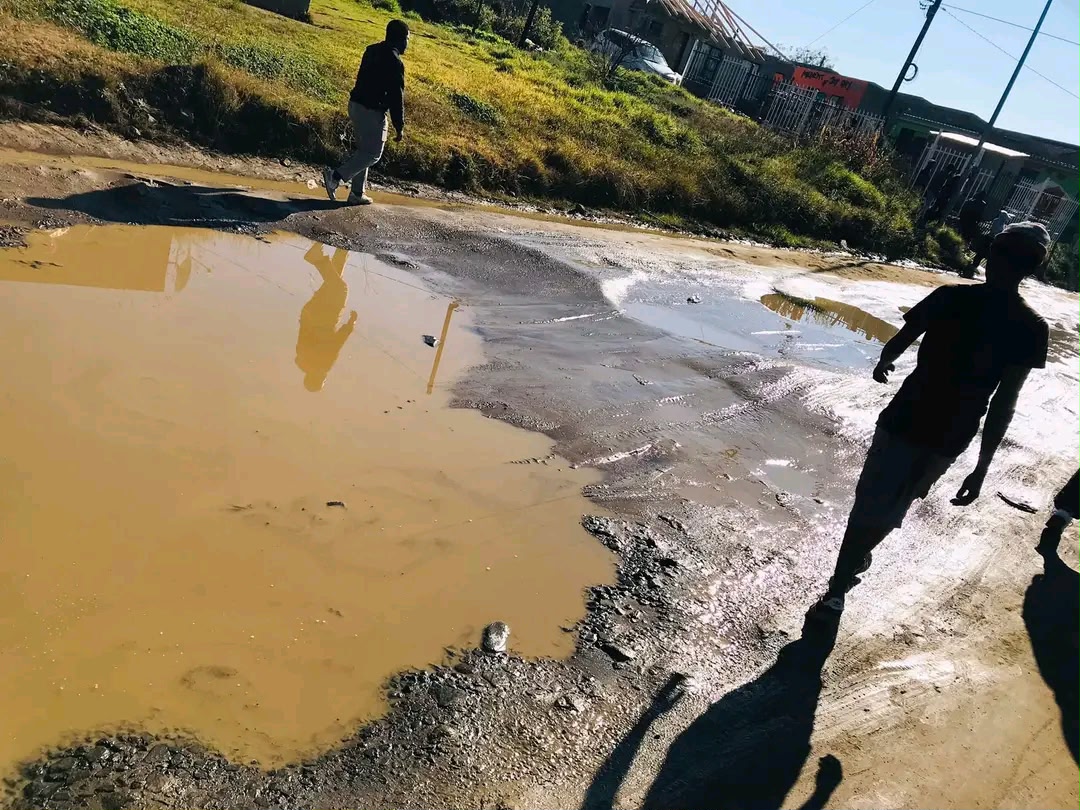
 Prolonged rainfall in Qacha’s Nek district has caused severe damage to the road and culvert between Thueleng and Ha Khanya, leaving several communities cut off and disrupting transport services.
Floodwaters swept large stones into the Lijabatho River and destroyed a cemented drift crossing the ’Melikane River near Sekoti village. The damage left deep gullies and exposed rock, rendering the road impassable and forcing taxi operators to suspend services.
By Saturday, passenger movement had become increasingly difficult. Taxis from Matebeng were unable to pass through Sekoti and were forced to drop passengers in the village, leaving commuters to walk long distances and cross the ’Melikane River to reach vehicles on the other side. The same challenges were reported for travellers moving from town towards Matebeng.
’Melikane councillor Lehlohonolo Mahase described the situation as a disaster that requires urgent intervention. He expressed concern over what he called conflicting responses from authorities regarding responsibility for the damaged road, warning that delays are worsening the hardship faced by residents.
Ntšupe Community Council councillor from Sekoti, Nothaemese Jonase, also appealed for immediate assistance, calling for an excavator to remove stones and create a temporary passage for taxis. She warned that access to essential services, including medical emergencies, is now severely limited.
The ’Melikane Taxi Association inspector, Seabata Machoba, said transport operations have become extremely difficult, noting that continued rainfall could further worsen conditions.
Meanwhile, the government has awarded a contract to China International Water and Electric Corporation to upgrade the Matlali–Lebakeng road and construct a Bailey bridge over the Senqu River near Lebakeng. The four-year project, to be implemented by the Ministry of Public Works and Transport in collaboration with the Roads Directorate, is expected to begin this month. However, the contractor has yet to be formally introduced to affected communities.
Local leaders stress that while long-term infrastructure projects are welcome, immediate temporary measures are urgently needed to restore access and prevent further social and economic hardship in the affected areas.